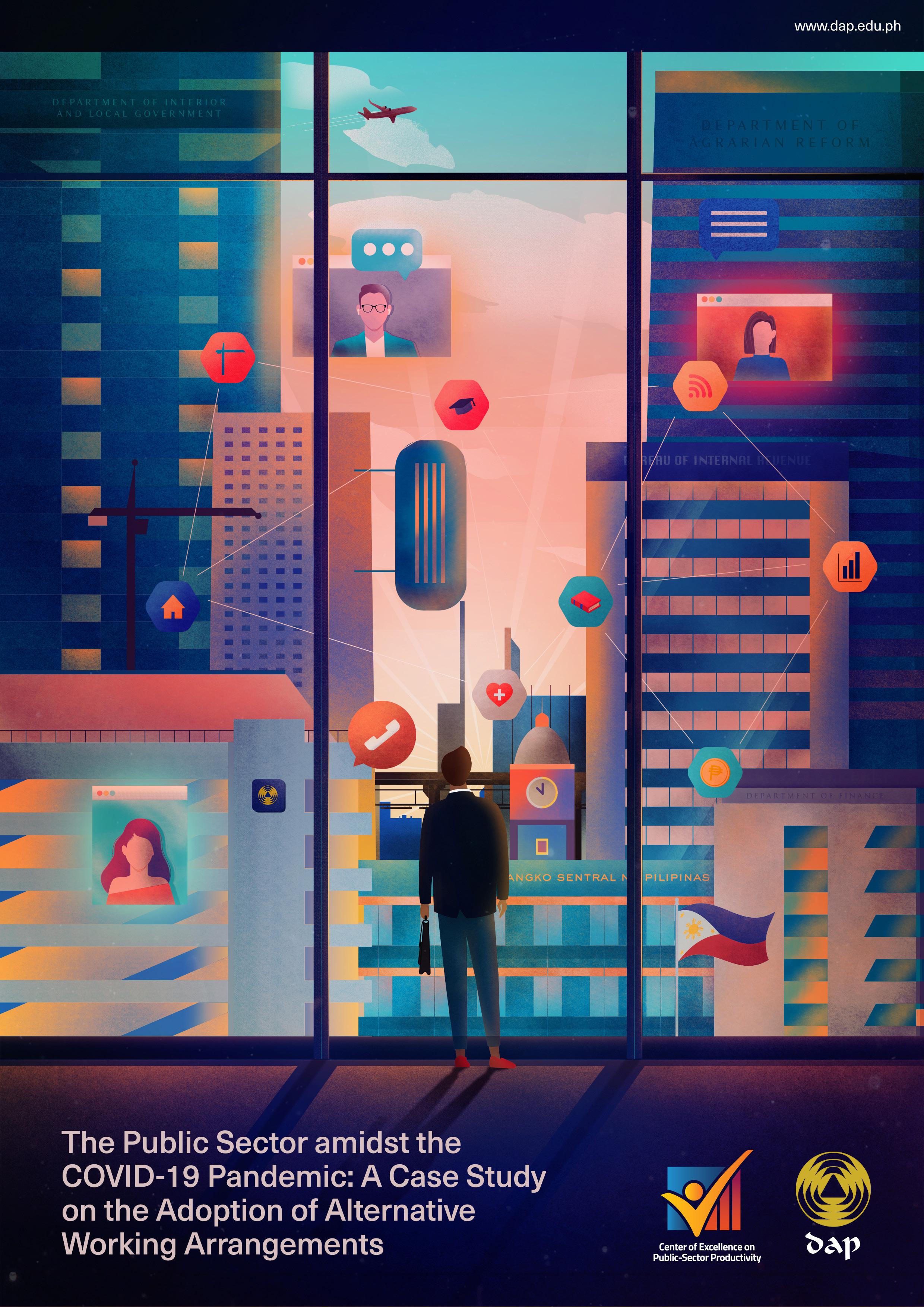
The Public Sector Amidst the COVID-19 Pandemic: A Case Study on the Adoptation of Work From Home Arrangement
In a bid to curb the COVID-192 global pandemic outbreak, both the public and private sectors are
encouraged to implement alternative work arrangements for most of their employees. These alternative working arrangements aim to purportedly sustain productivity and efficiency of private and public
sector organizations amidst the COVID-19 pandemic. In the Philippines, a number of legislations and
policy reforms have already been in place to provide
workers alternative working arrangements even
before the pandemic ruckus.
Read More,
Click Here
COVID-19 RESPONSE SYSTEMS AND INTERNATIONAL COOPERATION
As of December 2020, more than 70 million people across the world have
been infected with COVID-19 and the number of deaths worldwide has
exceeded 1 million. The magnitude of this pandemic’s impact has been
unprecedented, affecting all countries, regardless of income-levels, as
evident in the high proportions of infection and fatal cases in the United
States and Europe. However, it has become clear that the vulnerable, who
reside in the low-income countries, suffer more in this emergency, requiring
the global community’s pivotal and imminent actions.
Read More, Click Here.
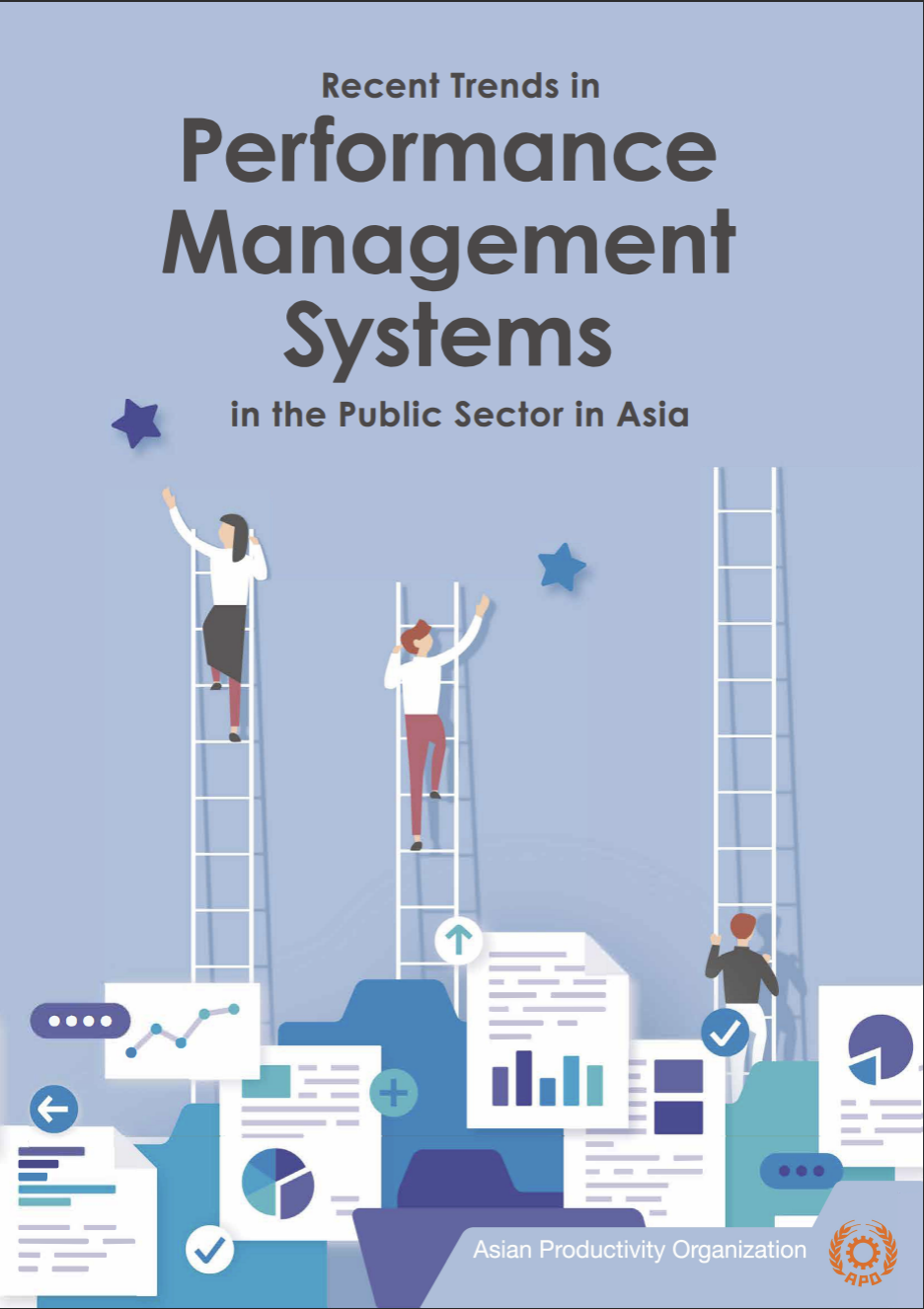
Recent Trends in Performance Management Systems in the Public Sector in Asia
Public-sector organizations face unprecedented pressure to improve service quality while
adhering to accountability, transparency, and productivity standards. This is why the era of
good governance and new public management triggered institutional and policy changes to
transform government and improve its performance.
Read More, Click Here.